Isao Takahata

24.04 – 27.09.2026

Mudac

A Pion­eer of Contem­por­ary Anim­a­tion, from the Post-war Era to Studio Ghibli

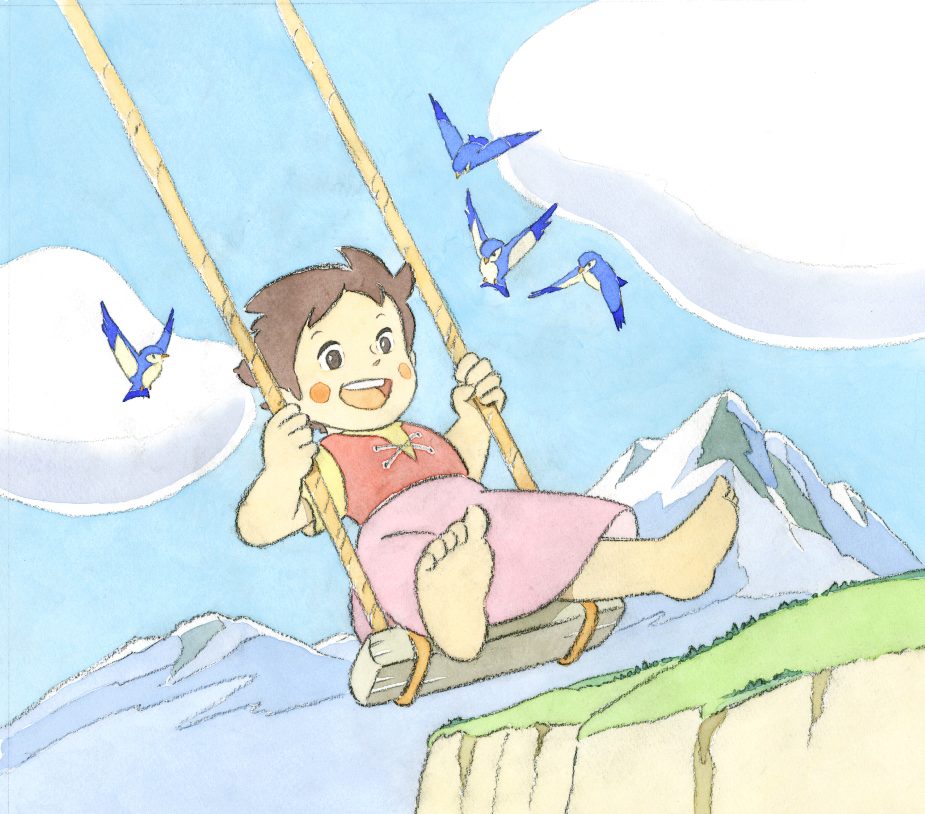
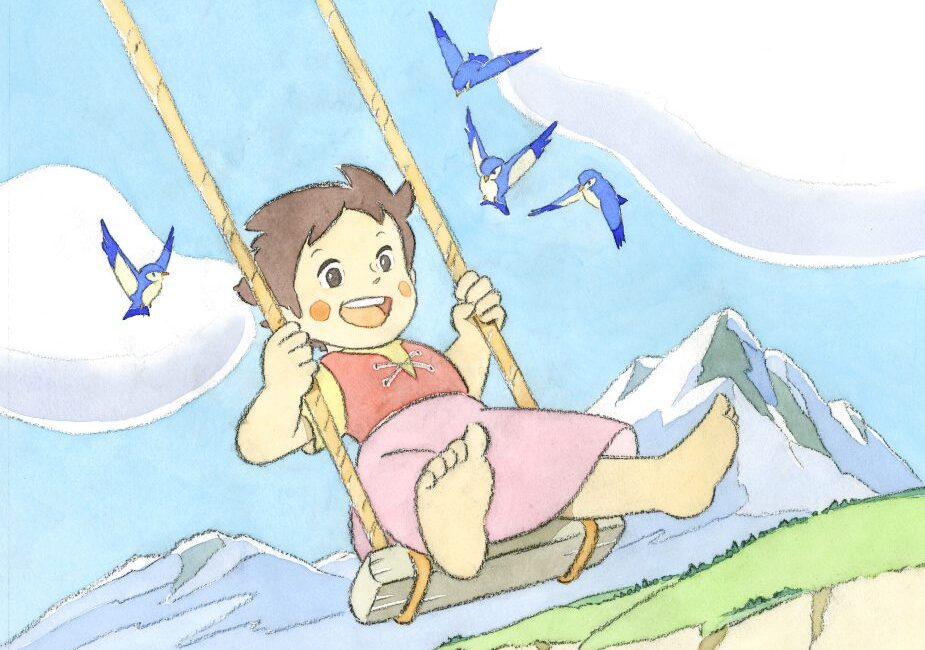
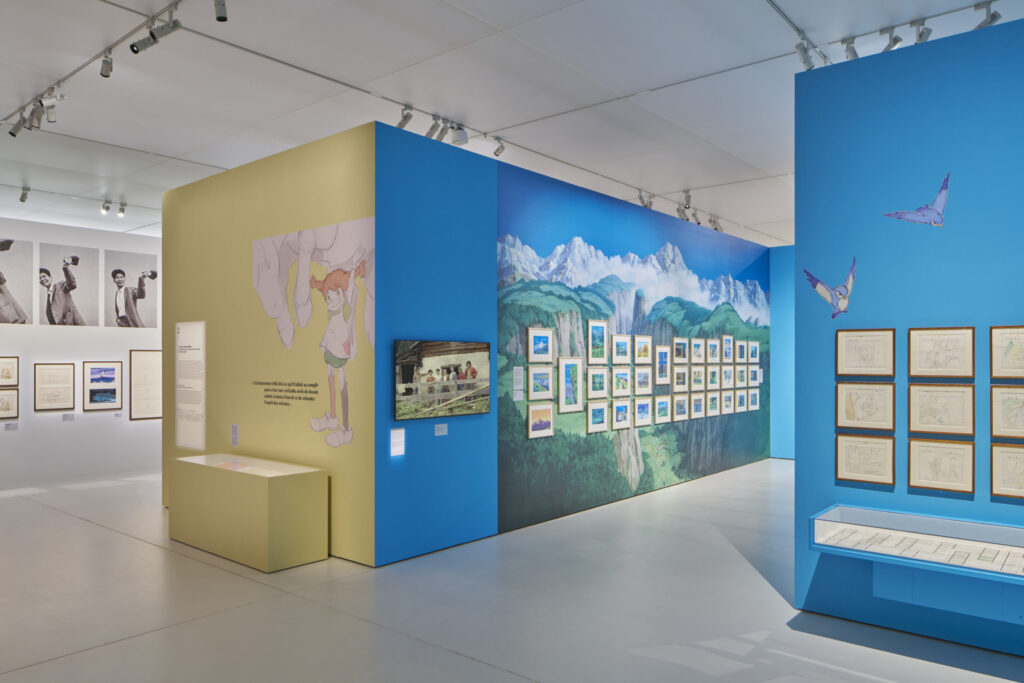
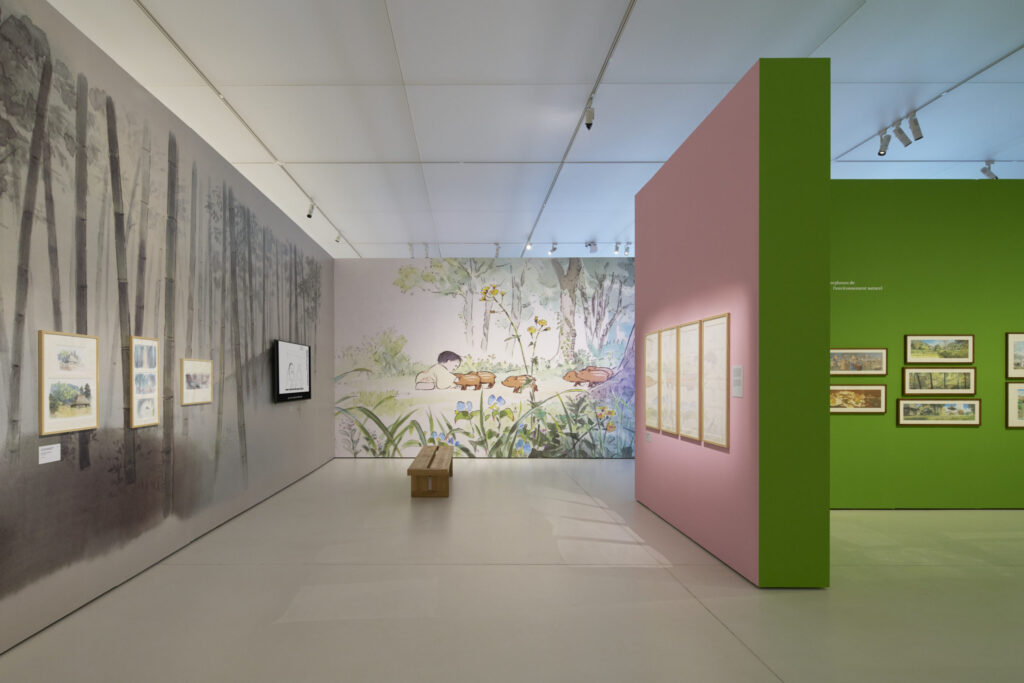
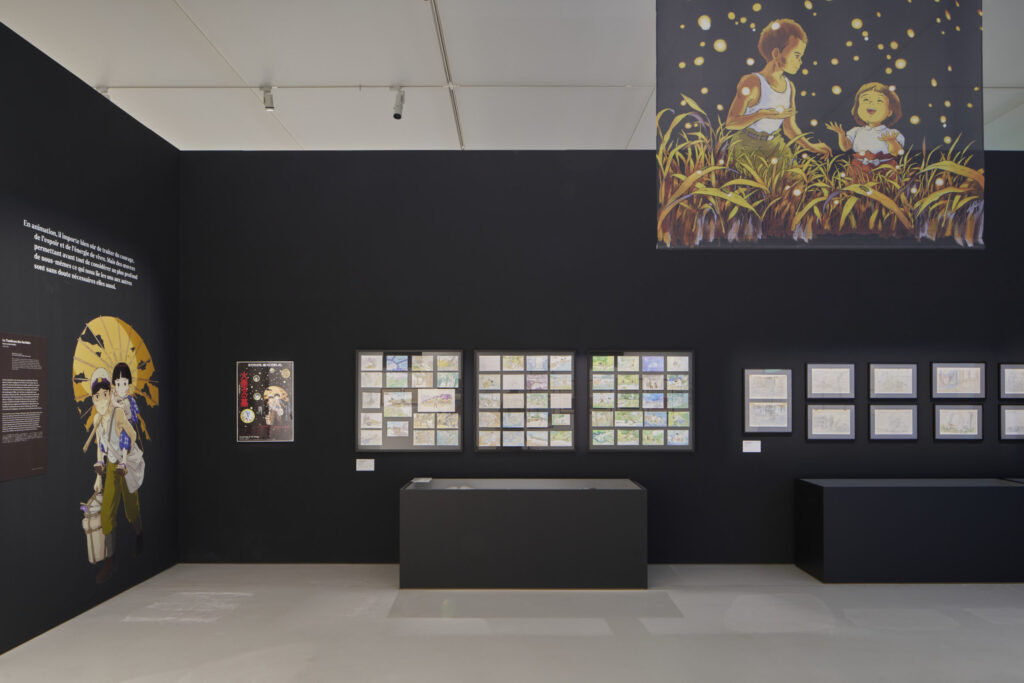
The exhib­i­­tion, unique in Switzer­land, retraces Taka­hata’s career, from Heidi, Girl of the Alps (1974) to Grave of the Fire­flies (1988) and The Tale of The Prin­­cess Kaguya (2013), through his note­­books and story­­boards, original draw­ings, cels, film and video excerpts and audi­o­visual docu­­ments.
It also high­lights an entirely new aspect: the special ties Taka­hata main­tained with the West through­out his life, from his intel­lec­tual educa­tion to his role as a cultural bridge, and the accur­acy of his depic­tions of the European world in land­mark works such as Heidi, Girl of the Alps (1974).

An exclus­ive section at mudac: Isao Taka­hata – A Life and a Body of Work in Dialogue with the West

This part of the exhib­i­tion explores Isao Taka­hata’s decis­ive rela­tion­ship with the West, partic­u­larly the French-speak­ing world. It retraces his discov­ery of Préver­t’s poetic real­ism – a found­a­tion of both his aesthetic and polit­ical engage­ment – and presents his in-depth research into The Shep­herd­ess and The Chim­ney-Sweep (1953), through original docu­ments that shed light on the origins of his voca­tion. It then exam­ines the unpre­ced­en­ted chal­lenge of adapt­ing clas­sic West­ern stor­ies into anim­a­tion – Heidi, Girl of the Alps (1974), From The Apen­nines to The Andes (1976), Anne of Green Gables (1979) – combin­ing ethno­graphic rigour with docu­ment­ary ambi­tion. Finally, it high­lights Taka­hata’s exchanges with West­ern artists (Grim­ault, Ocelot, Back, Norstein and many others), his influ­ence on world anim­a­tion and his major role in estab­lish­ing anim­ated film as a recog­nised art form. This jour­ney illus­trates the import­ance of sustained cultural exchange, portray­ing Taka­hata as a key figure in inter­cul­tural dialogue and a source of inspir­a­tion across borders.

Lorem ipsum dolor sit amet, consectetur adipiscing elit. Ut elit tellus, luctus nec ullamcorper mattis, pulvinar dapibus leo.

An exclus­ive section at mudac:
Isao Taka­hata – A Life and a Body of Work in Dialogue with the West

This part of the exhib­i­tion explores Isao Taka­hata’s decis­ive rela­tion­ship with the West, partic­u­larly the French-speak­ing world. It retraces his discov­ery of Préver­t’s poetic real­ism – a found­a­tion of both his aesthetic and polit­ical engage­ment – and presents his in-depth research into The Shep­herd­ess and The Chim­ney-Sweep (1953), through original docu­ments that shed light on the origins of his voca­tion. It then exam­ines the unpre­ced­en­ted chal­lenge of adapt­ing clas­sic West­ern stor­ies into anim­a­tion – Heidi, Girl of the Alps (1974), From The Apen­nines to The Andes (1976), Anne of Green Gables (1979) – combin­ing ethno­graphic rigour with docu­ment­ary ambi­tion. Finally, it high­lights Taka­hata’s exchanges with West­ern artists (Grim­ault, Ocelot, Back, Norstein and many others), his influ­ence on world anim­a­tion and his major role in estab­lish­ing anim­ated film as a recog­nised art form. This jour­ney illus­trates the import­ance of sustained cultural exchange, portray­ing Taka­hata as a key figure in inter­cul­tural dialogue and a source of inspir­a­tion across borders.

Leave a Reply

Your email address will not be published. Required fields are marked *